
Brandable domains work by pairing an invented, blended, or respelled word with a .com address, which gives a company a distinctive, trademark-ready name that carries no descriptive ceiling. How brandable domains work in practice follows a repeatable pipeline: coinage, phonetic and cognitive screening, trademark clearance, marketplace pricing, escrow-backed acquisition, and consistent rollout across every brand touchpoint. Because the name itself is the asset, a well-built brandable domain converts a blank string of characters into recall, trust, and a defensible global identity.
Founders who want to skip the invention stage can browse a pronounceable, lowest cost brandable domain inventory built for launch-ready brands. Otherwise, the sections below walk through the full journey, from the first coined syllable to a name that works in every market.
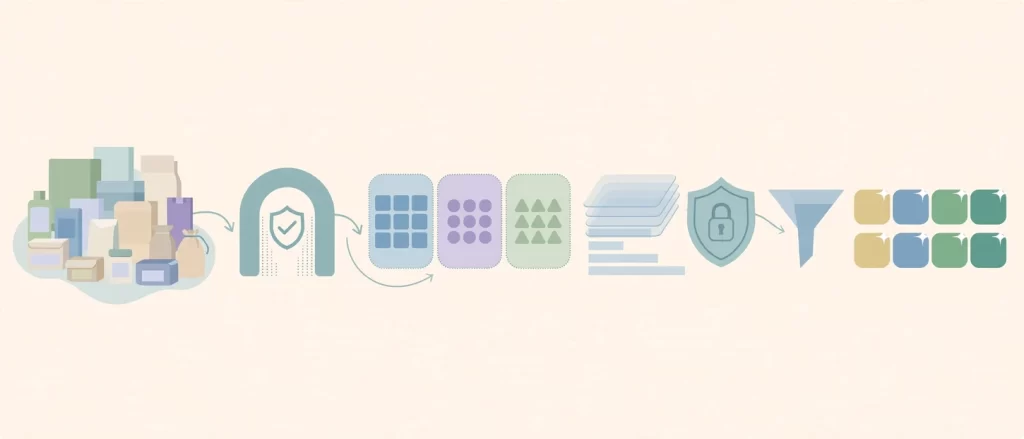
Quick Answer: How Brandable Domains Work in Six Stages
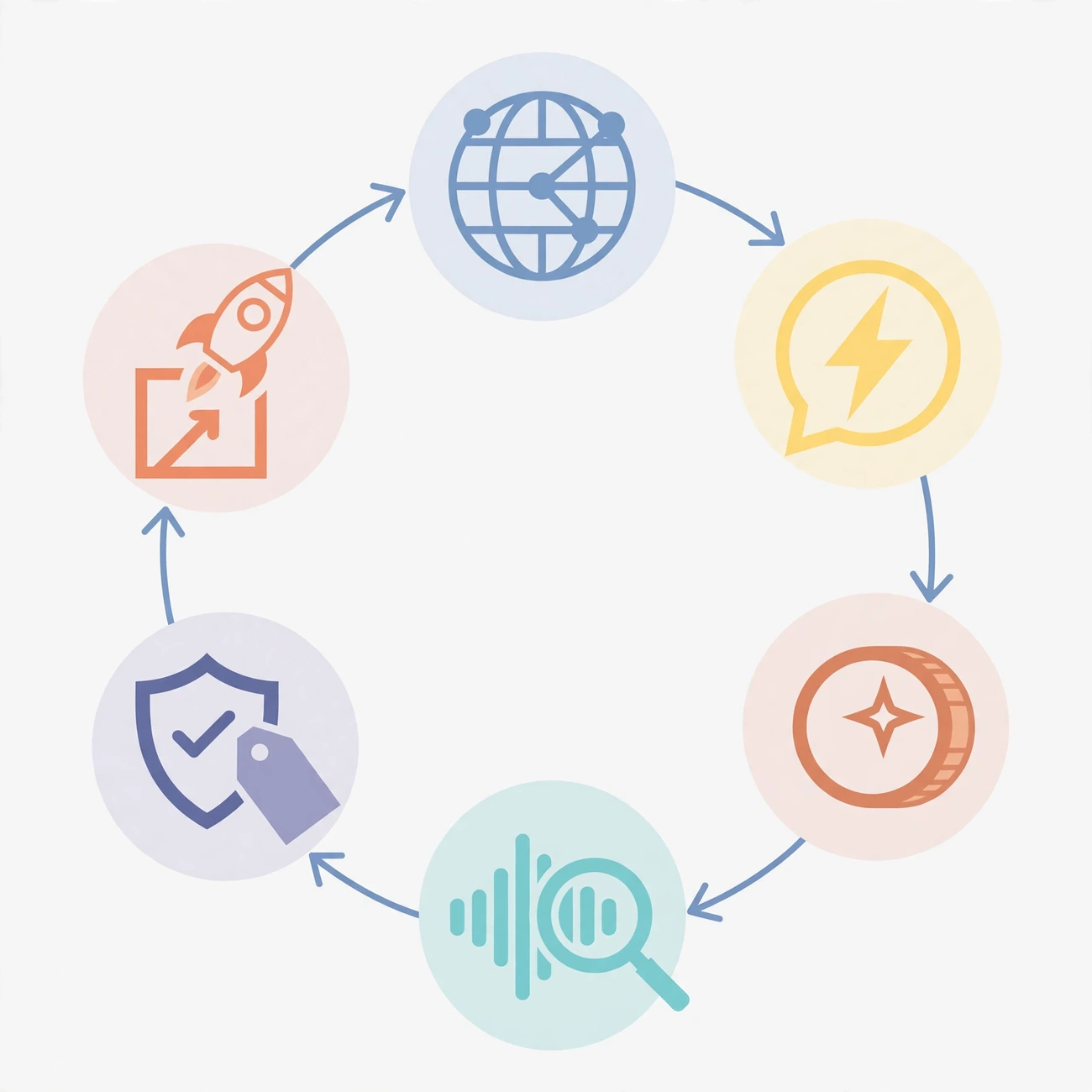
In short, a brandable domain moves through six stages before it becomes a living brand. Each stage removes a specific risk, so skipping one usually creates a costly problem later.
- Coinage: A namer creates a distinctive word through blending, respelling, metaphor, or classical roots.
- Phonetic screening: The name passes spelling, pronunciation, and memory tests.
- Clearance: The team checks .com availability, trademark conflicts, and social handles.
- Pricing: A seller or marketplace sets a price based on length, sound, and market demand.
- Acquisition: The buyer purchases through escrow and transfers the domain securely.
- Rollout: The brand applies the name consistently to its logo, email, social profiles, and product.
Key takeaways:
- A brandable domain is a name first and an address second.
- Invented words usually offer the strongest trademark position.
- Screening for sound and legal risk matters as much as finding an available .com.
- Consistent use over time, not the name alone, builds brand equity.
What Is a Brandable Domain? A Working Definition
Definition: A brandable domain is a domain name built from a distinctive, memorable word or word combination that has no literal tie to a product category. Instead of describing what a company sells, the name gives the company something to define.
That difference sounds small, yet it changes everything. A descriptive name explains the business on day one. A brandable name, by contrast, becomes more valuable as the business fills it with meaning. For a deeper foundation on vocabulary and categories, the complete guide to brandable domains covers each naming style in detail.
The Main Types of Brandable Names
Most brandable names fall into a handful of patterns. Knowing the pattern helps you judge both the creative strength and the legal strength of a name.
| Name Type | How It Is Built | Familiar Example | Main Strength | Main Risk |
|---|---|---|---|---|
| Invented (coined) | A new word with no prior meaning | Kodak, Xerox | Strongest trademark position | Needs more marketing to teach meaning |
| Blended | Two word parts fused together | Pinterest (pin + interest) | Hints at the offer while staying unique | Can sound generic if parts are too common |
| Respelled | A real word with altered spelling | Lyft, Google | Familiar sound, unique spelling | Visitors may mistype it |
| Metaphorical | A real word used out of context | Amazon, Nike | Rich emotional associations | Harder to secure the exact .com |
| Suffix or prefix based | A root plus an ending such as -ly or -ify | Spotify | Easy to generate in volume | Trend fatigue as endings get crowded |
Why a Blank Name Often Beats a Descriptive One
Business models change. Amazon began as an online bookstore, and a name like “OnlineBooks” would have boxed the company in. Likewise, a descriptive domain forces a rebrand the moment the business grows beyond its original keyword.
A brandable name avoids that trap. Moreover, it gives the owner something rare: a word that search results, social feeds, and customers associate with one company only.
Here is what a blank name gives you:
- Room to pivot: The name never contradicts a new product line.
- Distinct identity: Searchers who type the name find you, not a category.
- Clean legal footing: Invented words rarely collide with existing marks.
- Premium perception: Short, polished names signal confidence and scale.
The Trademark Spectrum: Why Invented Words Carry More Legal Weight
Trademark systems generally sort names along a spectrum of distinctiveness. Understanding where your name sits tells you how easy it will be to protect. Courts and trademark offices often apply this framework, although details vary by country.
| Category | What It Means | Example | Typical Protectability |
|---|---|---|---|
| Fanciful | Invented word with no prior meaning | Kodak | Strongest |
| Arbitrary | Real word unrelated to the product | Apple (computers) | Very strong |
| Suggestive | Hints at a benefit without describing it | Netflix | Strong |
| Descriptive | Directly describes the product or feature | Quick Loans | Weak until secondary meaning develops |
| Generic | The common name of the product category | Bank | Not protectable |
As a result, invented and arbitrary names sit at the top of the ladder. Descriptive names sit near the bottom, which explains why keyword-heavy domains often struggle to become defensible brands. Please note that this overview is educational, not legal advice. A qualified trademark attorney should review any name before launch.
How Brandable Domains Work Step by Step: From Invented Word to Live Brand
This is the core of the process. Each stage below includes what happens, why it matters, and what to do when you run the stage yourself.
Stage 1: Coinage and Name Generation
Every brandable domain starts as a raw idea. Namers use a small toolkit of methods to produce candidates in volume, then trim the list.
Common coinage methods include:
- Blending: Merge two meaningful fragments, such as “pin” and “interest.”
- Respelling: Alter a real word so it stays pronounceable but becomes ownable.
- Metaphor: Borrow a word from another field that carries the right emotion.
- Classical roots: Pull from Latin or Greek for a polished, global feel; Nike, named for the Greek goddess of victory, is a familiar case.
- Affixing: Attach a prefix or suffix to a short root.
Modern teams also use AI tools to speed up this stage. These tools generate hundreds of options in minutes, yet human judgment still decides which ones carry the right tone. Treat generated lists as raw material, never as a finished answer.
Practical tip: Generate at least 100 candidates before you evaluate any of them. Early volume breaks the habit of falling in love with the first decent idea.
Stage 2: Phonetic and Cognitive Screening
Next, the shortlist faces a test that most amateur namers skip: how the name sounds and how easily the brain processes it. Research on processing ease suggests that names people find easy to say tend to feel more trustworthy and familiar. The science of phonetics and brand perception explains why certain sounds feel fast, soft, strong, or premium.
Run every finalist through these tests:
- The radio test: Say the name on a phone call. If the listener asks you to spell it, the name has a weakness.
- The spelling test: Ask five people to write the name after hearing it once. Count the variants.
- The syllable test: Two or three syllables usually travel best across languages.
- The stress test: Confirm that the emphasis falls where most speakers expect it.
- The homophone test: Check that the name does not sound like an unrelated or embarrassing word.
Meanwhile, remember that cognitive fluency works both ways. A name that flows easily earns attention quickly, but a name that stumbles speakers loses referrals, because people avoid recommending words they fear mispronouncing.
Stage 3: Availability and Trademark Clearance
A beautiful name is worthless if someone else already owns the rights to it. Therefore, clearance happens before purchase, not after. A thorough domain name trademark check protects you from disputes, forced rebrands, and wasted marketing spend.

A practical clearance routine includes:
- Exact .com availability: Confirm whether the domain is registered, parked, or listed for sale.
- Trademark database search: Search the official registers in your target countries. In the United States, the USPTO trademark search lets you check federal filings in your category.
- Common-law use: Search the web and app stores for businesses already using a similar name, even without a registration.
- Social handles: Verify that the same name is available on the platforms your audience uses.
- Dispute history: Review how domain disputes work. The WIPO domain name dispute resolution service shows how trademark owners challenge domains under the UDRP, which helps you understand what bad-faith registration looks like.
Importantly, a clear search today does not guarantee a clear future. Companies file new marks constantly, so re-check right before you buy and again before launch.
Common clearance outcomes:
| Result | What It Means | Recommended Action |
|---|---|---|
| Fully clear | No conflicts in your class or region | Proceed to purchase |
| Similar mark, different industry | Possible coexistence | Consult an attorney before buying |
| Identical mark, same industry | High conflict risk | Walk away and choose another name |
| Pending application | Rights may exist soon | Treat as a conflict until resolved |
Stage 4: Listing and Pricing on Marketplaces
Once a name passes screening, it enters the market. Sellers list brandable domains on curated marketplaces, where price reflects a mix of linguistic quality and commercial demand. Understanding this logic helps buyers negotiate and helps sellers price with confidence. The domain appraisal framework breaks the method into repeatable scoring steps.
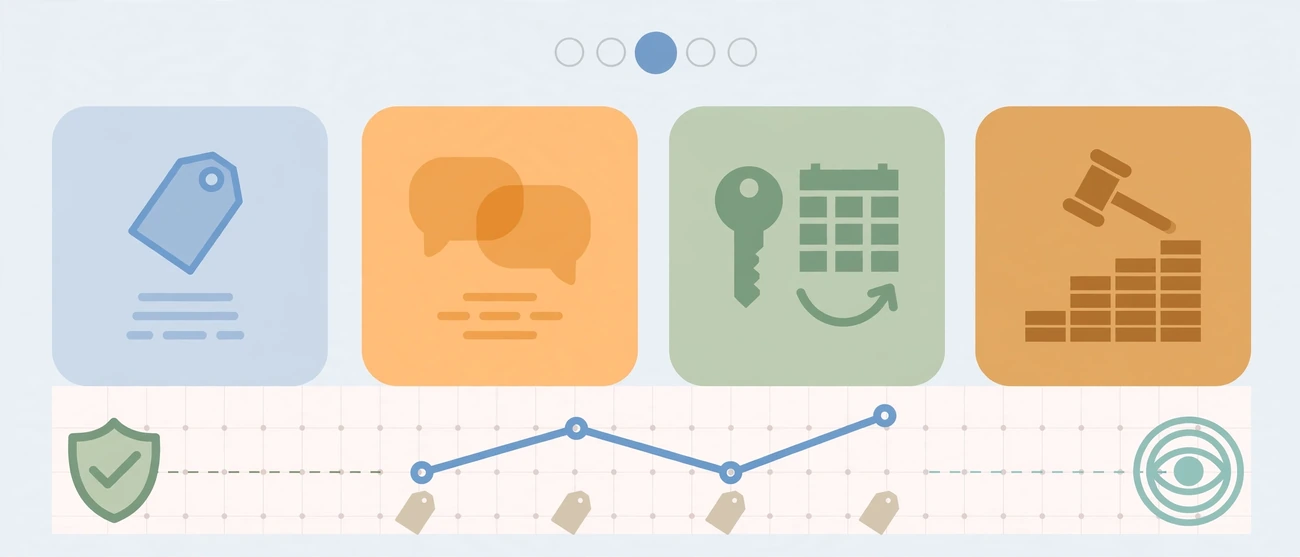
Pricing models you will meet include:
- Fixed price (buy it now): The seller sets a clear number, which speeds up the deal.
- Make an offer: The buyer proposes a price, and both sides negotiate.
- Lease to own: The buyer pays in installments and receives the domain at the end.
- Auction: Competing bidders set the price within a time window.
Platform choice matters too. Curated brandable marketplaces tend to screen names for quality, whereas open aftermarkets list everything. Consequently, buyers on curated platforms spend less time filtering weak inventory.
Stage 5: Acquisition and Secure Transfer
After you agree on a price, the transaction moves into a structured sequence. Following the steps in order protects both sides. A first-time buyer’s guide to brandable domains expands on each point below.
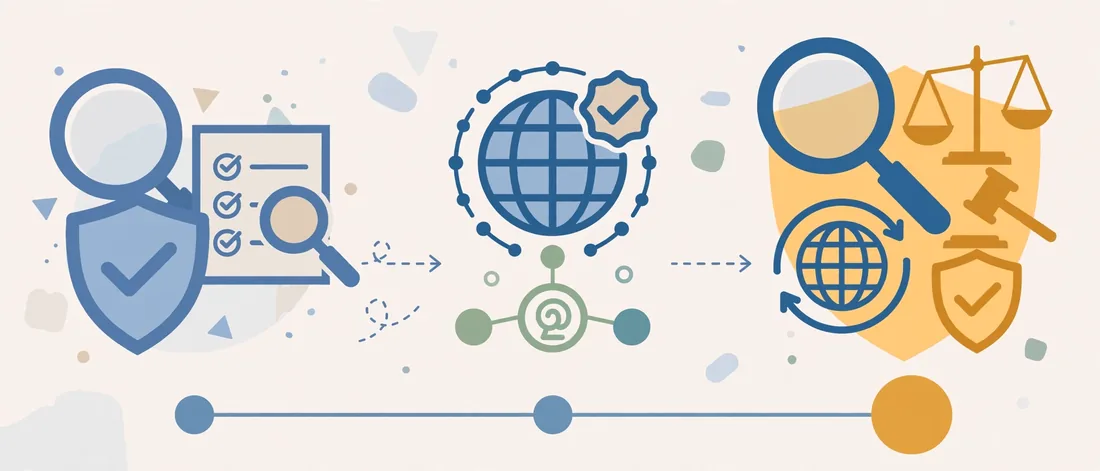
- Confirm the final price and terms in writing.
- Open an escrow transaction with a licensed escrow service so neither side carries the risk.
- Pay into escrow and wait for confirmation that funds are secured.
- Receive the transfer through the registrar, usually via a push or an authorization code.
- Verify control by logging in to your registrar account and checking the DNS and ownership details.
- Release escrow only after the domain sits safely in your account.
- Secure the asset with two-factor authentication, a registrar lock, and auto-renewal.
Throughout this stage, avoid side deals outside escrow. Skipping the protection saves a small fee, but it exposes you to the one risk that cannot be undone.
Stage 6: Brand Rollout and Identity Building
Owning the domain is the starting line, not the finish. A name becomes a brand only after people repeat it, recognize it, and connect it with a consistent experience.
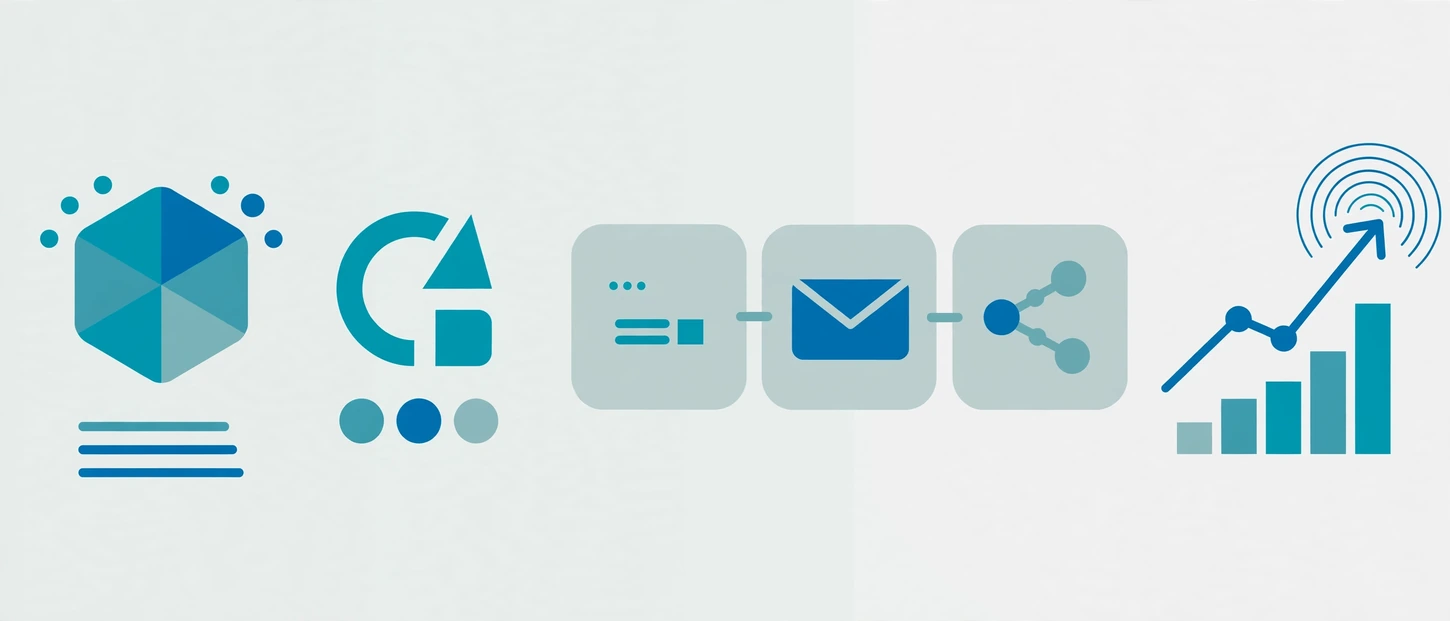
Roll the name out in this order:
- Identity system: Build the logo, typography, color palette, and tone of voice around the name.
- Digital foundation: Launch the website, branded email addresses, and matching social handles.
- Legal protection: File trademark applications in your primary markets.
- Consistent usage: Use the exact same spelling and capitalization everywhere.
- Content and PR: Publish content that associates the name with a clear promise.
Strong brand consistency across your domain name deserves its own attention, because small mismatches between your domain, handle, and logo erode trust gradually.
How Marketplaces Curate Brandable Inventory
Curated marketplaces play a quiet but important role in how brandable domains work. Instead of listing every available string, they review names for pronounceability, length, and commercial potential before they reach buyers. This filtering saves time, because buyers browse a smaller pool of stronger candidates.
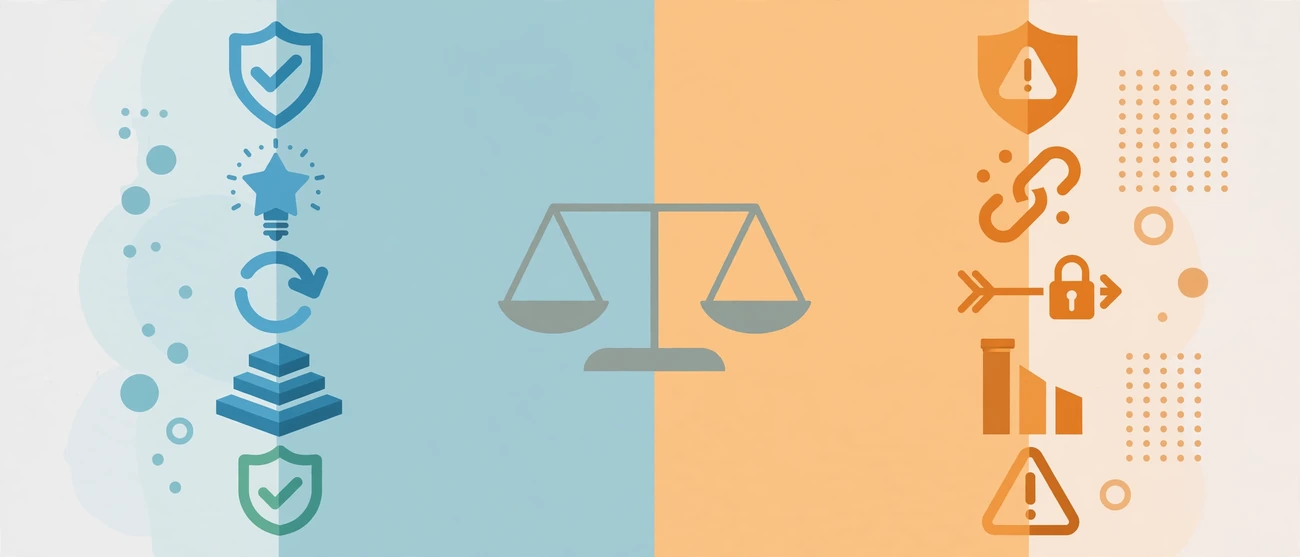
Curation usually follows a few consistent principles:
- Quality gates: Reviewers remove names that are awkward, confusing, or too close to well-known marks.
- Category grouping: Names appear under themes such as technology, wellness, or finance, which helps buyers match style to sector.
- Transparent pricing: Clear listings reduce negotiation friction and speed up decisions.
- Secure checkout: Built-in escrow and transfer support lowers the risk for both sides.
For a closer look at how platforms differ, the brandable domain marketplace comparison walks through the criteria worth weighing. Ultimately, the right platform shortens the path from shortlist to ownership.
The Economics: What Makes a Brandable Domain Valuable
Price confuses many first-time buyers. A seven-letter invented word can cost far more than a longer descriptive phrase, yet the logic holds up once you see the drivers. Several factors work together to set value.
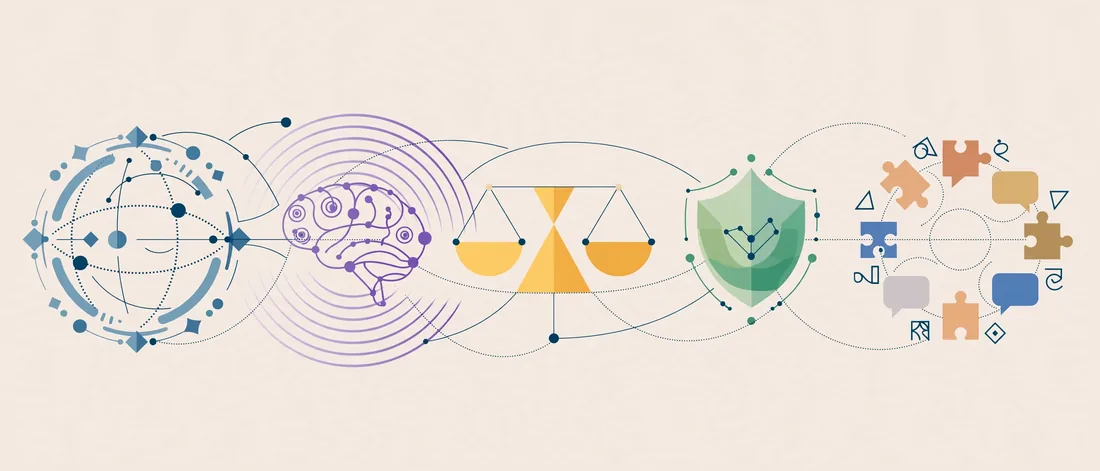
Key value drivers include:
- Length: Shorter names are easier to type, say, and remember.
- Pronounceability: Names that sound natural travel better by voice and referral.
- Extension: A .com address commands a premium because users default to it.
- Memorability: Distinctive words stick, while generic blends fade.
- Trademark cleanliness: A clear name reduces legal risk, which buyers pay extra to avoid.
- Sector fit: A name that feels right for a growing industry attracts more buyers.
- Comparable sales: Recent transactions for similar names anchor realistic expectations.
The table below shows how these factors combine. The bands are illustrative only, since actual prices vary by marketplace, seller, and timing.
| Tier | Typical Profile | Illustrative Positioning |
|---|---|---|
| Entry | Longer coined or blended names, .com available | Budget-friendly, suited to early-stage ventures |
| Mid-range | Two-syllable names with clean sound and moderate demand | Common for funded startups and growing brands |
| Premium | Short, highly pronounceable, strong sector fit | Priced as a long-term brand asset |
| Elite | Very short, one-word or ultra-clean coinages | Negotiated individually, often at significant cost |
How Brandable Domains Build a Global Brand Identity
A name that works in one city may fail in another. Because global brands cross languages and cultures, the best brandable domains survive three stress tests.
Memory and Recall
People remember what they can picture and pronounce. Therefore, distinctive names with a clear sound pattern outperform generic phrases in recall. The research behind cognitive fluency and brand names reinforces why ease of processing feeds both trust and repeat recall.
Cultural and Linguistic Safety
Before launch, test the name in your top target languages. A word that sounds elegant in English might mean something awkward elsewhere. In addition, check that the name does not collide with local slang or protected terms.
A quick cross-market check should cover:
- Meaning: Does the word or its parts mean something negative in another language?
- Sound: Can native speakers pronounce it without help?
- Script: Does the name transliterate cleanly into non-Latin alphabets?
- Search: Do local results for the name show unrelated or risky content?
Touchpoint Consistency at Scale
As a brand grows, the name appears in more places: packaging, apps, invoices, ads, and voice assistants. Consequently, a name that is short, clear, and consistent scales easily, while a complicated name creates friction at every new touchpoint.
Brandable vs Keyword Domains: How the Two Approaches Compare
Many founders still ask whether a keyword domain ranks better. The honest answer: domain wording is only one small part of a much larger picture. Google’s guidance on site structure and URLs emphasizes clarity and usefulness for people, and its ranking systems reward helpful, trustworthy content. You can review its URL structure recommendations to see the emphasis on simple, understandable addresses.
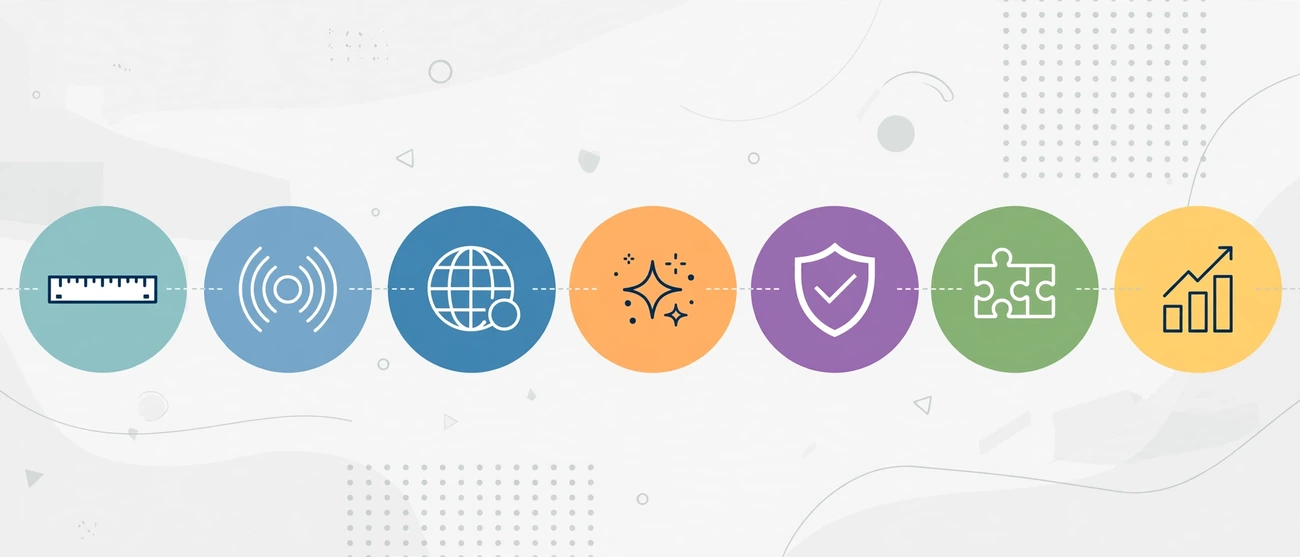
In practice, a brandable domain competes on content quality, expertise, and reputation, the same factors that decide results for any site. Meanwhile, the name adds a branding advantage that keyword domains cannot match. A side-by-side view makes the trade-offs clear. For a longer discussion, see the full breakdown of brandable versus keyword domains.
| Factor | Brandable Domain | Keyword Domain | Exact-Match Domain |
|---|---|---|---|
| Trademark strength | High for invented names | Low to moderate | Very low |
| Memorability | High when distinctive | Moderate | Low |
| Pivot flexibility | Excellent | Limited | Poor |
| Early search signal | Neutral, relies on content | Slight relevance cue | Slight relevance cue, spam risk |
| Perceived authority | Premium, modern | Functional | Often dated |
| Long-term brand equity | Builds steadily | Capped by the keyword | Capped and shared with competitors |
| Typical risk | Needs marketing effort | Generic competition | Algorithmic and brand weakness |
One more angle deserves attention. AI-driven search increasingly relies on entities: distinct brands that systems can recognize and describe. A unique name makes entity recognition simpler, because no competing meaning clouds the mention. That advantage is modest, but it compounds as your brand earns citations across the web.
Choosing the Right Brandable Style for Your Business
Not every brandable name suits every company. Therefore, match the naming style to your audience, your category, and your growth plans before you shop. A short decision framework keeps the choice objective.
Match the Style to Your Audience
Consumer brands benefit from warm, short, easily spoken names, because customers recommend them out loud. Enterprise and B2B brands, on the other hand, often favor polished, credible-sounding coinages that look professional on invoices and contracts. Technical audiences generally tolerate more unusual spellings, yet they still appreciate names that type quickly.
Ask these questions to find your fit:
- Who says the name most often? Customers, partners, or investors each prefer a different tone.
- Where does the name appear first? Voice assistants, app stores, and packaging reward different sound patterns.
- How formal is your category? Finance and legal services lean toward steady, trustworthy sounds, while entertainment leans toward playful ones.
- How wide will you grow? A name for a single product differs from a name for a future platform.
Test Fit With a Simple Decision Path
- Define the brand personality in three adjectives, such as confident, calm, and modern.
- Pick two or three naming styles from the types table that match that personality.
- Generate candidates within those styles only.
- Score each finalist with the scorecard later in this guide.
- Validate with real people from your target audience before you commit.
This approach keeps creativity inside useful limits. As a result, you avoid the common trap of choosing a clever name that fits nobody’s actual needs.
After the Purchase: Protecting and Maintaining Your Brandable Domain
Buying the domain starts a long ownership period, so treat the asset with the same care as any other business property. Many owners lose value through simple neglect rather than dramatic mistakes.
zzFollow this maintenance checklist:
- Enable auto-renewal: An expired domain can fall into the wrong hands within days.
- Use strong account security: Two-factor authentication and a unique password protect the registrar login.
- Turn on the registrar lock: This setting blocks unauthorized transfers.
- Keep contact details current: Renewal and security notices need to reach a monitored inbox.
- Register obvious variations: Consider common misspellings and key extensions to reduce brand confusion.
- Monitor for abuse: Watch for lookalike domains that imitate your brand, and act quickly when you find them.
In addition, document who controls the registrar account inside your company. Teams that assign clear ownership avoid the painful scramble that follows when a founder leaves or an employee changes roles.
Practical Scenarios: How Brandable Domains Work in Real Decisions
These illustrative scenarios show how the process plays out. They are composites based on common patterns, not specific client cases.
Scenario 1: The Early-Stage SaaS Founder
A founder builds a workflow tool and starts with a descriptive name. Six months later, customers request features outside the original category. The descriptive name now misleads. A coined, brand-ready name would have absorbed that expansion without any change. Many technology teams reach this conclusion, which is why tech startups use brandable domains to establish authority earlier in their lifecycle.
Scenario 2: The Direct-to-Consumer Brand
A consumer brand needs a name that works on packaging, in short videos, and in spoken recommendations. Short, phonetic names win here, because customers share them verbally. The team runs the radio test, clears the name, and buys through escrow before ordering any print materials.
Scenario 3: The Established Company Entering a New Market
A regional services firm plans to expand internationally. Its current name is hard to pronounce abroad. Rather than force the issue, the leadership selects a new brandable name, tests it in target languages, and migrates with proper redirects. The rebrand costs time upfront but removes a long-term barrier.
What the scenarios share:
- Early clarity: Teams that choose names before building the business plan avoid expensive changes later.
- Testing before buying: Each team screens sound, legal risk, and culture first.
- Structured purchasing: Escrow and verified transfers protect every deal.
Common Mistakes to Avoid When Choosing a Brandable Domain
Even smart teams repeat the same errors. Avoid these eight mistakes, and you will sidestep most of the pain.
- Skipping the trademark check. A domain purchase does not grant trademark rights. Buyers who ignore this risk disputes and forced rebrands.
- Choosing a name that is hard to spell. Clever spellings lose visitors who mistype the address and land elsewhere.
- Chasing trends in suffixes. Endings that feel fresh today may feel dated in three years.
- Ignoring how the name sounds. A name that looks great on a slide may fail the phone test.
- Forgetting international meaning. A harmless word in one language can offend in another.
- Buying without escrow. Informal payments invite fraud and leave no recourse.
- Overpaying without comparables. Buyers who skip valuation research often accept inflated asking prices.
- Underinvesting in rollout. A great name with inconsistent usage never turns into a brand.
Expert Tips for Getting the Most From a Brandable Domain
Seasoned namers follow a short list of habits. Apply these to improve both your odds and your results.
- Shortlist five, not fifty. Narrow down quickly, then test the finalists with real people.
- Test with strangers. Friends flatter you; strangers reveal real spelling and pronunciation problems.
- Check the name in a sentence. Write “Visit [name] dot com” and see if it reads naturally.
- Secure the matching handles on day one. Consistency across platforms protects recognition.
- Plan the logo while you name. Letter shapes affect design, so look at the wordmark early.
- Keep records. Save your clearance searches, escrow receipts, and transfer confirmations.
- Budget for protection. Allocate funds for trademark filing, not only the domain price.
- Think five years ahead. Pick a name your company can grow into, not just one that fits today.
If you are weighing names before you have a business plan, read why startup naming and domain strategy come before the business plan. The logic applies to every stage of company building.
Brandable Domain Scorecard
Use this table to rate any finalist. Score each criterion from one to five, then add the total.
| Criterion | Ideal Result | Red Flag |
|---|---|---|
| Length | Under 10 characters | Hyphens, numbers, or long phrases |
| Pronunciation | Most people say it correctly on first read | Listeners ask for repetition |
| Spelling | One obvious spelling | Several plausible spellings |
| Trademark clearance | No conflicts found | Similar mark in the same industry |
| Extension | .com available | Only a low-trust extension available |
| Cultural safety | No negative meaning in target languages | Conflicts with slang or taboo terms |
| Distinctiveness | Unique in search results | Dominated by unrelated results |
| Logo potential | Clean letterforms and visual hooks | Awkward character combinations |
A total above 32 signals a strong candidate. A score below 24 suggests you should keep searching.
Frequently Asked Questions About How Brandable Domains Work
How do brandable domains work?
A brandable domain works by pairing a distinctive, invented, or respelled word with a .com address so the name can serve as a unique brand identity. The process includes coinage, sound testing, trademark clearance, pricing, escrow-based purchase, and consistent brand rollout. Because the name has no literal meaning tied to a product, it can grow with the business.
What makes a domain name brandable?
A domain becomes brandable when it is short, easy to pronounce, simple to spell, and distinctive enough to own. Strong candidates also avoid trademark conflicts and carry no negative meaning in other languages. In contrast, long, descriptive, or hyphenated names rarely qualify.
Are brandable domains better than keyword domains for SEO?
Not necessarily in a direct ranking sense, since Google emphasizes helpful content and site quality over domain wording. However, brandable domains offer stronger recall, trademark potential, and flexibility, which support long-term growth. Therefore, most founders choose them for brand value, not for a ranking shortcut.
How much does a brandable domain cost?
Prices vary widely by length, sound quality, sector fit, and marketplace. Entry-level names cost relatively little, while short, premium coinages can reach high figures. Comparing recent sales and using a structured valuation method helps you judge whether an asking price makes sense.
How do I check whether a brandable domain is safe to use?
Search official trademark databases, review common-law usage on the web and in app stores, and confirm social handle availability. Also test the name in your target languages. Finally, ask a trademark attorney to review your top choice before you buy.
Can a brandable domain become a global brand?
Yes, provided the name passes phonetic, cultural, and legal checks across your target markets. Many global companies began with invented or respelled names. What matters most is consistent use, strong messaging, and registered trademark protection in each key region.
Should I always choose a .com for a brandable domain?
In most cases, yes. Users default to .com, and many buyers perceive it as more credible. Alternatives can work for specific audiences, but a .com usually reduces mistyped traffic and brand confusion.
How long does it take to buy a brandable domain?
A fixed-price purchase with escrow can finish within days, because the steps are payment, transfer, and verification. Negotiated deals take longer, particularly when both sides trade offers. Preparing your clearance research in advance speeds up the process.
Conclusion: Turning an Invented Word Into a Lasting Brand
Understanding how brandable domains work removes most of the mystery from naming. The process is repeatable: coin a distinctive word, screen it for sound, clear it legally, price it with evidence, buy it through escrow, and apply it consistently. Each stage reduces risk, and together they turn a blank string of characters into a durable asset.
Remember that the name alone never creates a brand. Consistent experience, clear messaging, and legal protection do the heavy lifting over time. Even so, a strong brandable domain gives that effort a head start, because it removes descriptive limits, supports trademark protection, and makes your company easy to remember in any market.
Ready to move from idea to ownership? Secure a launch-ready brandable domain that scales with your brand and start building an identity that travels globally.