
A domain name trademark check is the process of verifying that a prospective domain name does not infringe on an existing registered or common-law trademark before purchase. It requires searching national trademark registers, common-law usage records, and international databases, then evaluating the likelihood of consumer confusion across the goods or services involved. Skipping this step is one of the fastest ways to turn a promising brand asset into an expensive legal liability.

Buying a brandable domain feels like a creative decision. You’re chasing sound, rhythm, and memorability. But underneath that creative layer sits a legal reality that many buyers ignore until it’s too late: a beautiful, brandable name means nothing if someone else already owns the trademark rights to it. At Aotiv, we’ve watched buyers fall in love with a name, wire the funds, and only then discover a conflicting trademark registration that forces a costly rebrand within months. A proper domain name trademark check prevents exactly this outcome, and it doesn’t require a law degree to do reasonably well.
This guide walks through the entire process step by step, from free preliminary searches to professional clearance opinions, so you can buy with confidence rather than crossing your fingers.
What is a Domain Name Trademark Check, Exactly?
A domain name trademark check is a due-diligence process. Before you commit money to a domain, you verify whether the name (or something confusingly similar to it) is already claimed as a trademark in the markets and industries you plan to operate in.
This is different from checking domain availability. A domain being unregistered or for sale tells you nothing about its trademark status. Plenty of available domains correspond to names that are heavily trademarked in specific industries, simply because the .com wasn’t registered by the trademark holder.
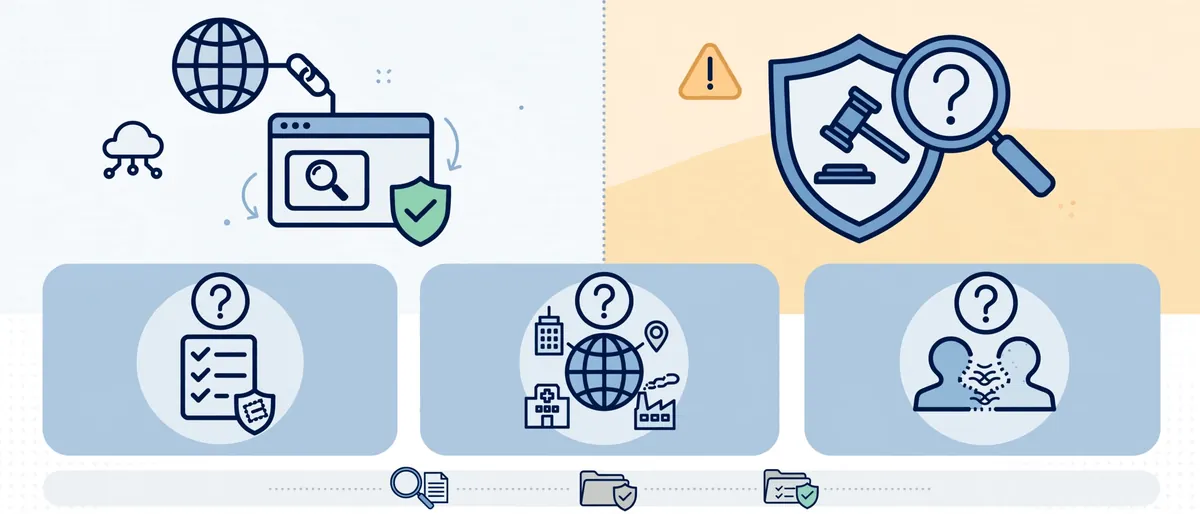
In short, a trademark check answers three questions:
- Is this name, or something similar, already registered as a trademark?
- In which industries and jurisdictions does that registration apply?
- How likely is it that my use of this name would cause consumer confusion with the existing mark?
Answering these honestly, before you buy, is the difference between a defensible brand and a lawsuit waiting to happen.
Why Skipping a Trademark Search Is So Risky for Domain Buyers
Buyers often assume that if a domain is for sale, it must be legally clean. That assumption causes more damage than any other mistake in brandable domain acquisition. Consequently, understanding the actual risk categories matters before you even open a search tool.
Cease-and-Desist Letters and Forced Rebrands

If you launch a business under a name that infringes an existing trademark, the rights holder can send a cease-and-desist letter demanding you stop using the name. In many cases, this arrives after you’ve already spent money on branding, packaging, marketing, and SEO. Rebranding at that stage isn’t just annoying; it can cost tens of thousands of dollars and set your growth back by months, as outlined in our guide on when to rebrand your domain name.
UDRP Disputes and Domain Forfeiture

Beyond cease-and-desist letters, trademark holders can file a Uniform Domain-Name Dispute-Resolution Policy (UDRP) complaint through providers like WIPO. If the panel finds in the complainant’s favor, you lose the domain entirely, sometimes without any compensation, even if you paid a premium price for it.
Litigation Costs That Dwarf the Domain’s Purchase Price

Federal trademark infringement litigation in the United States frequently runs into six figures in legal fees alone, according to data published by the American Intellectual Property Law Association. That figure alone should reframe how buyers think about a $200 trademark search: it’s insurance, not an optional expense.
Reputational and Platform Risk

Trademark disputes don’t stay private. They show up in app store delistings, social media account suspensions, payment processor holds, and public court records that future partners or investors can find with a simple search.
Where to Start: Free Preliminary Search Methods
Before paying for professional help, you can eliminate obviously conflicted names yourself. This first pass won’t replace legal clearance, but it filters out the clearest red flags quickly.
Step 1: Search the USPTO Trademark Database (TESS/TSDR)
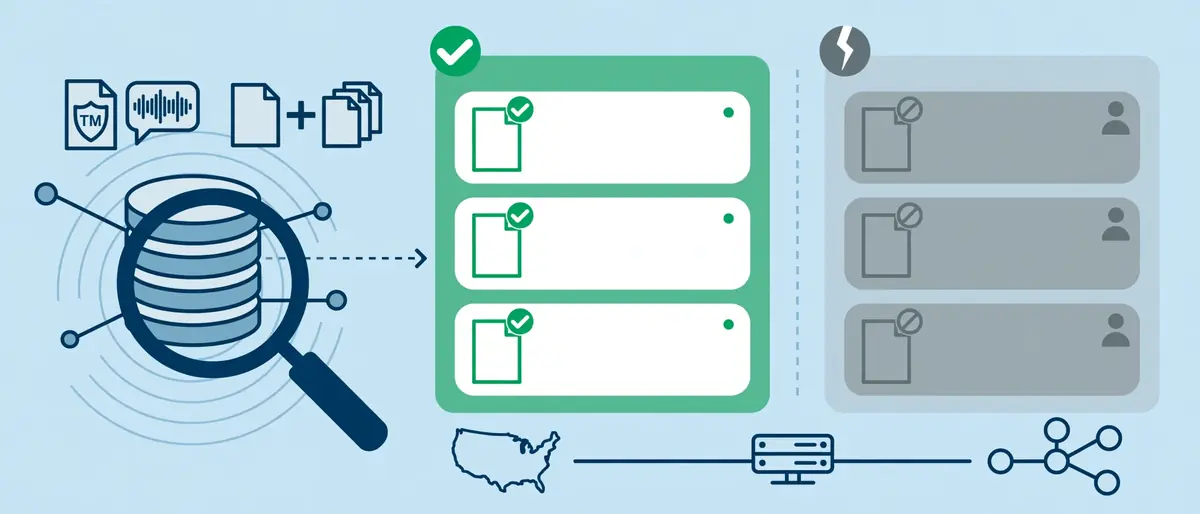
If you’re targeting the U.S. market, start with the United States Patent and Trademark Office’s Trademark Electronic Search System, commonly called TESS. This free tool lets you search live and dead trademark registrations by word mark, and it’s the single most important stop in any domestic clearance process.
When searching, try:
- The exact name
- Phonetic variations and common misspellings
- Plural and singular forms
- The name combined with common industry terms
Step 2: Check International Registries
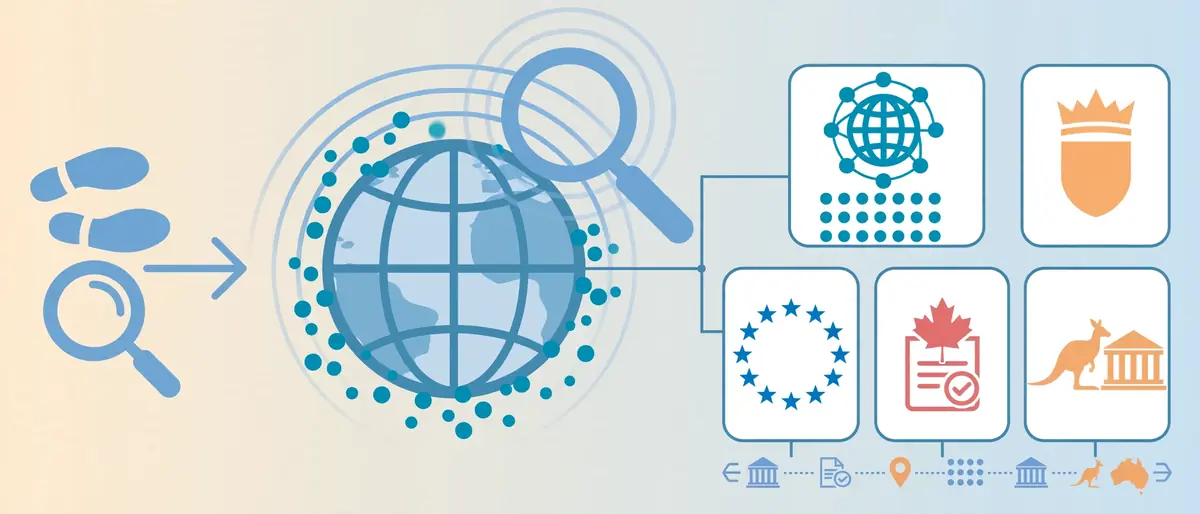
If you plan to operate globally, or even just accept international customers, a U.S.-only search isn’t enough. Review these additional sources:
- WIPO Global Brand Database – covers international trademark filings across dozens of countries in one search interface, maintained by the World Intellectual Property Organization.
- EUIPO eSearch Plus – the European Union Intellectual Property Office’s register for EU-wide trademark protection.
- National IP offices – for any specific country where you expect meaningful revenue, such as the UK IPO, Canada’s CIPO, or Australia’s IP Australia.
Step 3: Run a Plain Google and Social Media Search
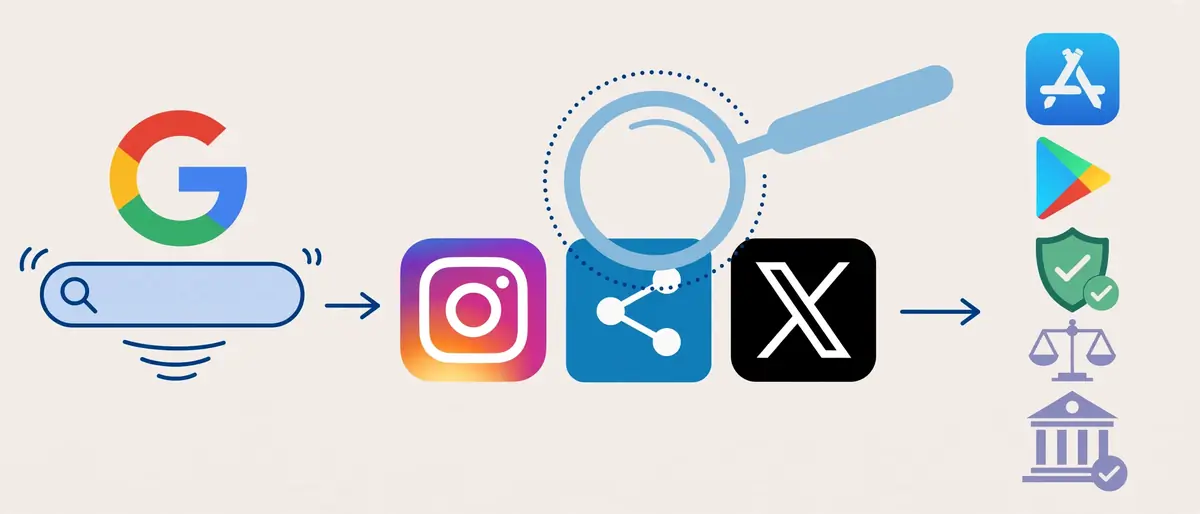
Trademark rights don’t only come from formal registration. In common-law jurisdictions like the United States, using a name in commerce can create enforceable rights even without a federal registration. Search:
- The exact brand name in quotation marks
- The name plus “trademark,” “brand,” or “company”
- Instagram, LinkedIn, and X (formerly Twitter) handles under that name
- App store listings using that name
If an unregistered but actively trading business already uses the name in your industry, that’s a real risk signal, even without a certificate to point to.
Step 4: Check Existing Domain Portfolios and Marketplace Listings
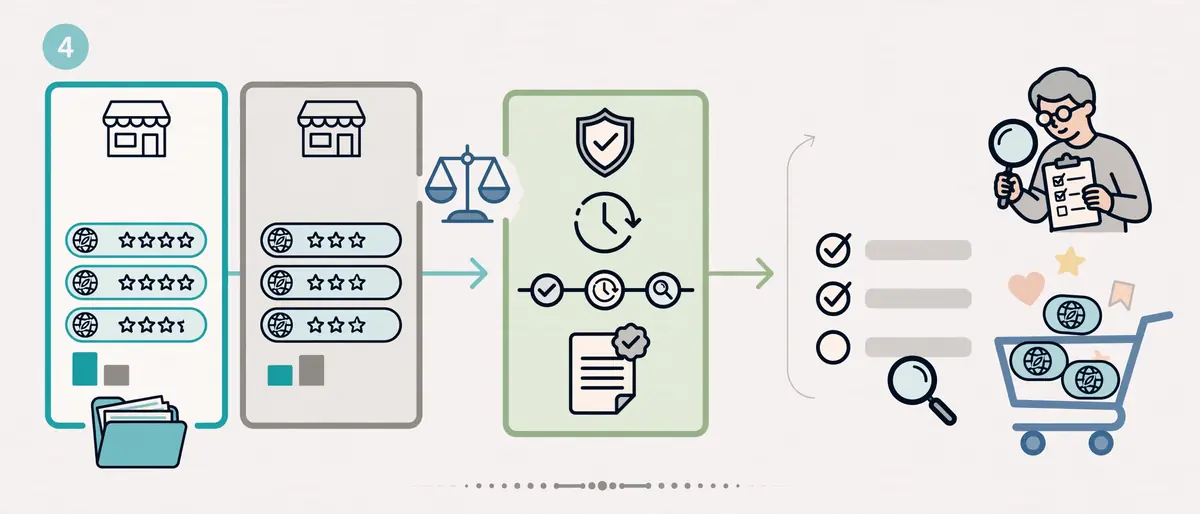
Sometimes the clearest signal is right there on the marketplace listing itself. If you’re comparing platforms, our breakdown of how to choose the right brandable domain marketplace explains which platforms disclose trademark history and which leave that entirely on the buyer.
Step-by-Step: How to Run a Domain Name Trademark Check
Here’s the practical workflow we recommend to anyone buying a brandable domain, whether it’s a five-figure premium name or a low-cost startup domain.
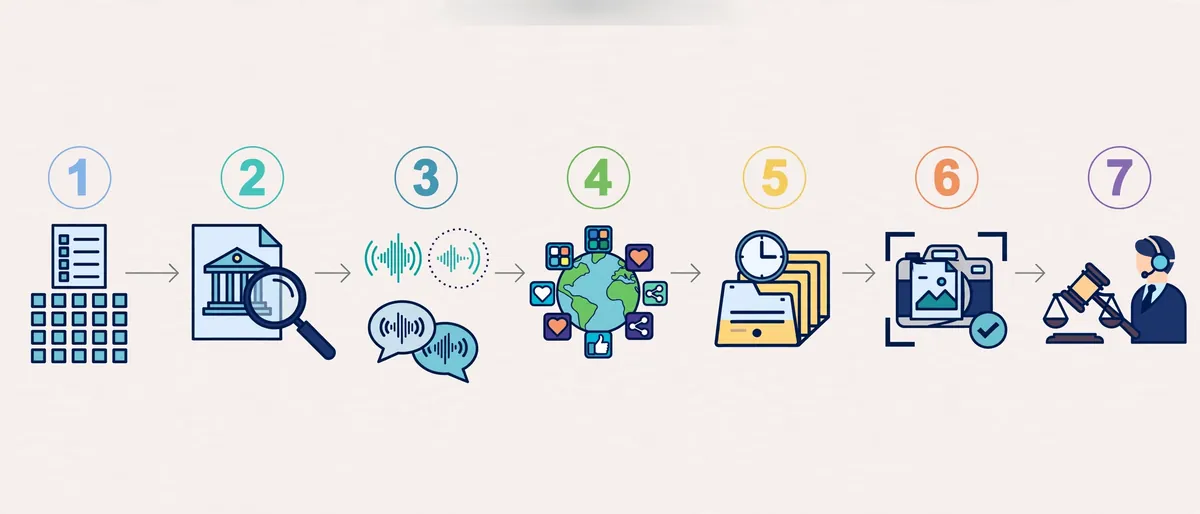
- List your target industry classes. Trademarks are registered under specific classes (the Nice Classification system has 45 classes). A name trademarked for furniture doesn’t necessarily block your use of it for software.
- Search the exact name in TESS or your relevant national registry. Note any live registrations in your industry classes.
- Search close variations. Include phonetic near-matches, since trademark law protects against “confusingly similar” marks, not just identical ones.
- Search common-law usage. Google, social platforms, and app stores, as described above.
- Check the domain’s own history. Use the Wayback Machine to see what the domain previously hosted; a name once tied to a trademarked business carries residual risk.
- Document everything. Screenshot search results and note registration numbers, dates, and classes.
- Escalate to a trademark attorney if anything looks unclear. A short paid consultation is far cheaper than a dispute later.
Understanding Trademark Classes and Why They Matter

One of the most common misunderstandings among domain buyers is thinking trademark protection is absolute. It isn’t. Trademarks are registered against specific classes of goods and services, so the same word can be legally trademarked by different, unrelated companies in different industries.
For example, “Delta” is a registered trademark for airlines, faucets, and dental insurance simultaneously, and none of those registrations conflict with each other because the industries don’t overlap in the mind of the average consumer.
This is genuinely good news for domain buyers. A trademark match doesn’t automatically disqualify a name; it depends entirely on:
- Whether your intended use overlaps with the registered classes
- Whether the trademark is “famous” enough to receive broader protection (dilution doctrine)
- Whether geographic overlap exists between your market and theirs
Common Trademark Classes Relevant to Digital Businesses
| Nice Class | Covers | Relevant For |
|---|---|---|
| Class 9 | Software, downloadable apps, SaaS platforms | Tech startups, app developers |
| Class 35 | Advertising, business management, e-commerce | Marketing agencies, online stores |
| Class 36 | Financial services, insurance, real estate | Fintech, proptech brands |
| Class 41 | Education, entertainment, training services | Edtech, media platforms |
| Class 42 | Scientific/tech research, IT services, design | SaaS, AI companies, dev tools |
| Class 44 | Medical, veterinary, beauty services | Healthtech, wellness brands |
If your target audience is a tech startup buying a brandable domain, Class 9, 35, and 42 registrations deserve the closest attention. Our piece on how tech startups use brandable domains to establish authority covers this positioning in more depth.
Common Mistakes Buyers Make During a Trademark Check
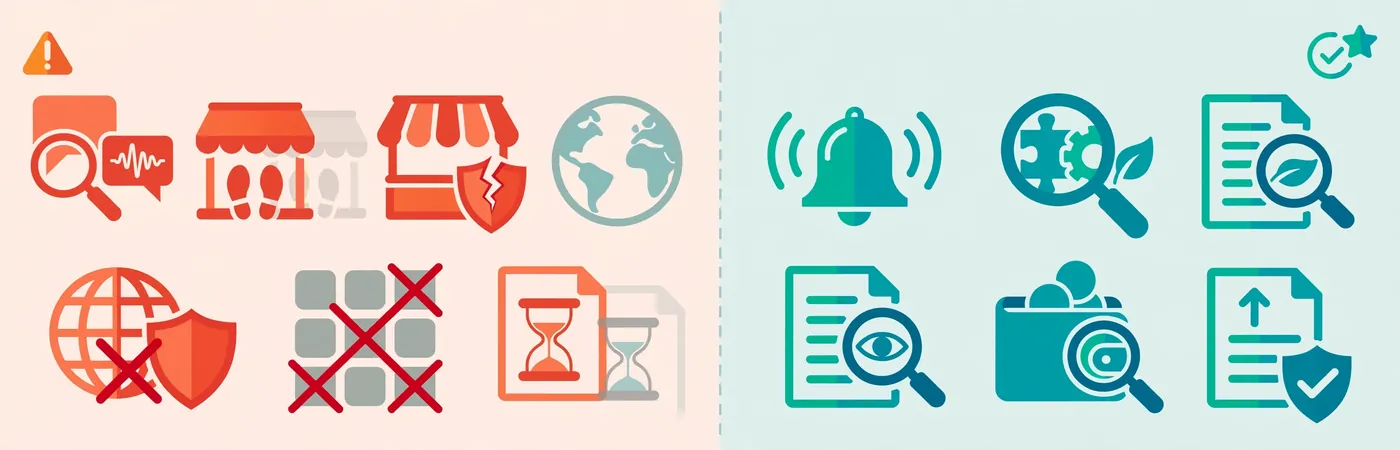
Even careful buyers fall into predictable traps. Recognizing these patterns in advance saves time and money.
- Searching only the exact spelling. Trademark law cares about phonetic and visual similarity, not just identical text matches.
- Ignoring common-law rights. A business without a federal registration can still hold enforceable trademark rights through consistent commercial use.
- Assuming a “for sale” listing has been vetted. Marketplaces rarely perform legal clearance on your behalf; that responsibility sits with the buyer.
- Checking only your home country. If you plan international expansion, a single-country search leaves major gaps.
- Confusing domain availability with trademark clearance. These are entirely separate systems that don’t talk to each other.
- Skipping the industry-class analysis. A match in an unrelated class is often a non-issue, yet buyers panic and walk away from perfectly safe names.
- Not checking pending applications. A trademark doesn’t need to be registered yet to signal risk; a recently filed intent-to-use application can still block your path later.
Expert Tips for a Thorough Domain Name Trademark Check
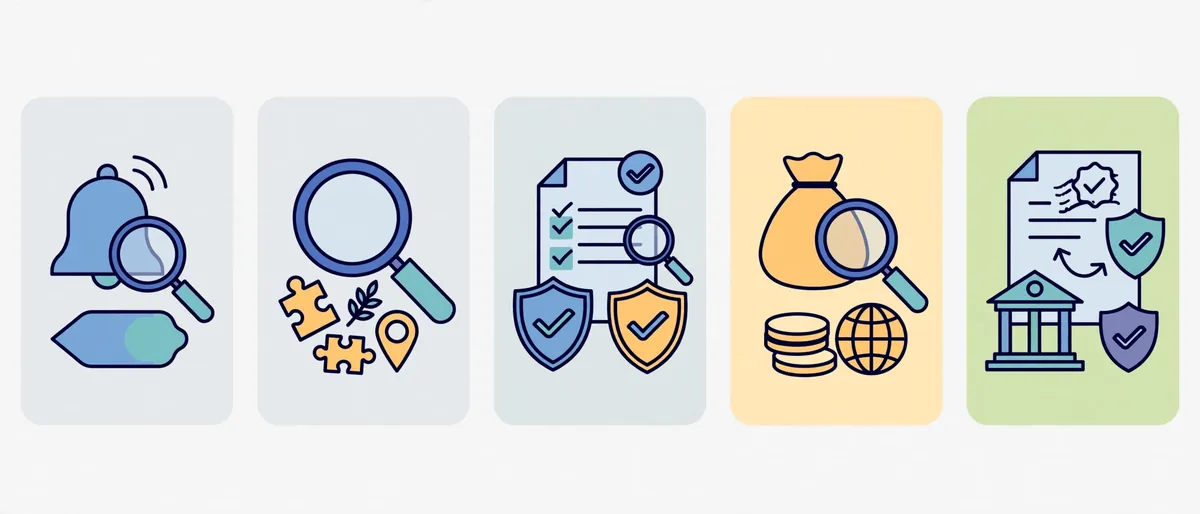
Beyond the basic checklist, a few habits separate cautious buyers from careless ones.
- Set a Google Alert for the exact name before finalizing purchase. New usage can surface between your search and your closing date.
- Search the name plus your specific niche keywords. “Aotiv software” surfaces different results than “Aotiv” alone.
- Check trademark status on the seller’s disclosure, then verify it independently. Never take a seller’s word as the final answer.
- Budget for a paid clearance search on any five-figure domain purchase. Once real money is on the table, the cost of a professional opinion becomes proportionally small.
- Consider filing your own trademark application shortly after purchase. This both protects you and often reveals conflicting marks during the USPTO’s examination stage that a casual search might miss.
When to Bring in a Trademark Attorney
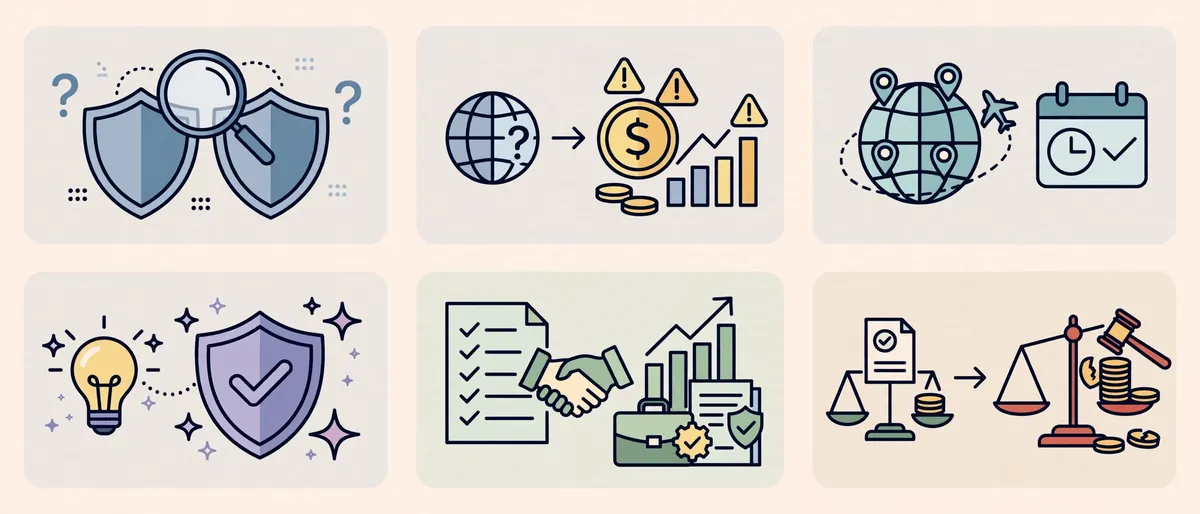
Self-directed research is valuable, but it has limits. Consider hiring a trademark attorney when:
- You’ve found a similar mark and can’t tell if it’s a genuine conflict
- The domain purchase price exceeds a threshold where legal risk becomes financially material
- You’re planning to expand internationally within the next 1–2 years
- The name is a coined or invented word, since these often carry stronger, broader trademark protection
- You’re raising investment and need clean IP documentation for due diligence
A typical clearance opinion from a trademark attorney costs a few hundred to a couple thousand dollars, depending on scope and jurisdiction count. Compare that to potential litigation costs, and the math almost always favors getting the opinion.
How Trademark Risk Should Factor Into Domain Valuation
Trademark exposure isn’t just a legal question; it’s a financial one. A domain that carries elevated trademark risk should be priced, and negotiated, accordingly.
When you’re building out a full valuation, as covered in our complete domain appraisal framework, trademark clearance status belongs alongside factors like length, memorability, and extension. A name with confirmed clearance across your target classes justifies a premium. A name with ambiguous trademark exposure should trade at a discount, or come with seller-provided indemnification language in the purchase agreement.
Comparison Table: Clear vs. Risky Trademark Status
| Factor | Cleared Domain Name | Trademark-Risky Domain Name |
|---|---|---|
| USPTO search result | No conflicting live marks in target classes | Live registration in same or adjacent class |
| Common-law usage | No active commercial use found | Active business already trading under similar name |
| International exposure | Checked and clear in target markets | Not checked, or conflicts found abroad |
| Negotiation leverage | Can justify asking price | Should negotiate a discount or walk away |
| Post-purchase action | File your own trademark to lock in rights | Consult an attorney before finalizing |
| Long-term brand safety | Low rebrand risk | High rebrand risk within 1-3 years |
Trademark Checks and the Domain Buying Journey
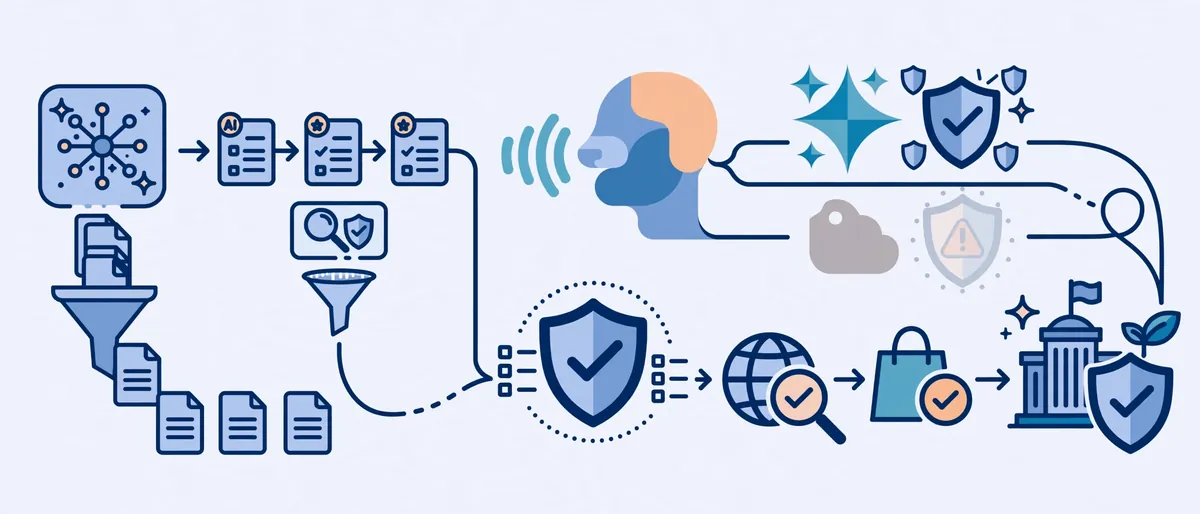
A trademark check isn’t a one-time event bolted onto the end of your decision. It should sit inside your overall buying process from the first shortlist review onward.
If you’re new to brandable domains altogether, our first-time buyer’s guide walks through the broader acquisition journey, of which trademark clearance is one critical checkpoint among several. Likewise, if you’re still generating name candidates, running a lightweight trademark filter early, before you fall in love with a specific option, saves heartbreak later; our guide on AI-assisted domain name generation touches on filtering shortlists for exactly this kind of risk.
It’s also worth remembering that sound and structure influence brand strength, and by extension, trademark distinctiveness. Coined, invented names tend to receive stronger legal protection than descriptive ones, a dynamic explored further in our piece on how phonetics shape brand perception.
Trademark Considerations for Startups Choosing Between Brandable and Keyword Domains
The type of domain you choose changes your trademark exposure profile. Descriptive, keyword-based domains (like “besthomeinsurance.com”) are harder to trademark distinctly because generic terms receive weak protection under trademark law. Brandable, coined names (like “Aotiv”) are usually easier to protect once registered, but that same distinctiveness means an existing owner of a similar coined name may have a stronger claim against you.
Our comparison of brandable versus keyword domains explores this trade-off from a branding perspective; from a legal one, the takeaway is simple: distinctive names carry more trademark upside and more trademark risk at the same time. This is also why naming strategy and domain strategy should be locked in early, a point we make in our piece on why startup name and domain strategy should come before the business plan.
Selling With Trademark Confidence
If you’re on the selling side of a brandable domain transaction, disclosing a clean trademark search result is a genuine selling point. Buyers increasingly ask for this documentation before closing, particularly on higher-value names. Our seller’s playbook recommends including a basic trademark search summary in your sales listing, since it removes a major point of buyer hesitation and can shorten your negotiation cycle considerably.
Tools and Resources Worth Bookmarking
A reliable domain name trademark check depends on using the right combination of free and paid tools. Rather than relying on a single database, cross-reference multiple sources so gaps in one system get caught by another.

- USPTO TESS/TSDR – the definitive source for U.S. federal trademark filings, including pending, registered, and abandoned marks.
- WIPO Global Brand Database – useful when you’re evaluating international expansion alongside your domain purchase.
- EUIPO eSearch Plus – essential if the European market matters to your roadmap.
- Wayback Machine – reveals a domain’s prior use, which can hint at dormant trademark claims tied to its history.
- State-level Secretary of State business registries – catch common-law business names that never filed federally but still hold enforceable regional rights.
- Trademark monitoring services – paid tools that alert you automatically when a similar mark gets filed after your purchase, closing the gap between your one-time search and ongoing risk.
None of these tools replace legal judgment. They simply give you the raw data a trained eye, yours or an attorney’s, needs to interpret correctly.
How Automation Is Changing Trademark Clearance Searches
Manual searching across five or six databases used to be the only option. Today, a growing number of AI-assisted trademark screening tools can run a name through multiple registries simultaneously and flag likely conflicts within minutes rather than hours.
That said, automation still has meaningful limits worth understanding before you rely on it too heavily:
- False negatives on phonetic matches. Many automated tools miss “sounds-like” conflicts that a human reviewer would catch instantly.
- Weak handling of common-law rights. Automated systems excel at scanning formal registers but struggle to interpret unregistered, real-world brand usage.
- No legal judgment on class overlap. Software can tell you a match exists; it usually can’t tell you whether that match actually creates enforceable confusion in your specific market.
Use automated screening as your first filter, not your final verdict. It’s excellent for quickly eliminating names with obvious, blatant conflicts before you invest further time or a paid attorney consultation into names that were never viable to begin with.
A Practical Trademark Clearance Checklist Before You Buy
Before wiring funds for any brandable domain, run through this final checklist:
- Searched the exact name in USPTO TESS (or your country’s national equivalent)
- Searched phonetic and spelling variations
- Reviewed relevant Nice Classification classes for your industry
- Checked WIPO or EUIPO if international markets are part of your plan
- Ran a plain Google search plus social media handle checks
- Reviewed the domain’s history through the Wayback Machine
- Documented every search result with dates and screenshots
- Consulted an attorney if any ambiguity remained unresolved
- Confirmed the seller’s disclosure independently rather than taking it at face value
- Set up ongoing monitoring for the name post-purchase
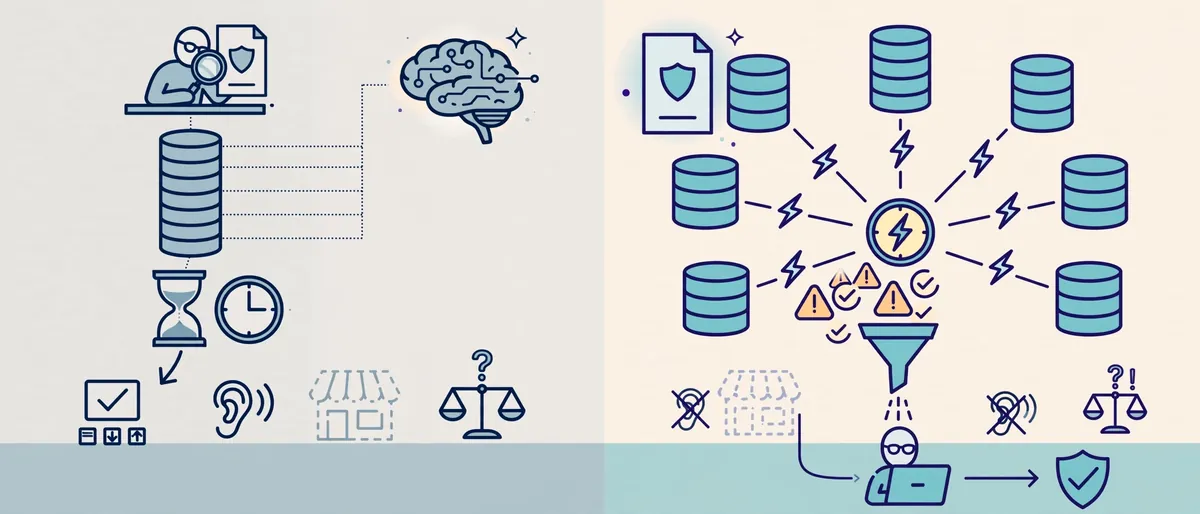
Working through this list methodically turns trademark clearance from a vague worry into a concrete, repeatable part of your acquisition workflow, the same way you’d already treat pricing negotiation or escrow setup.
Quick Answer: Is It Legal to Buy a Domain That Matches a Trademark?
Buying the domain itself is usually legal; using it in a way that infringes someone’s registered trademark is the actual violation. Domain registration and trademark infringement are governed by different rules, and simply owning a domain name that matches a trademarked word isn’t automatically unlawful unless you use it to sell competing goods or services, or register it in bad faith to profit from someone else’s brand (commonly called cybersquatting under the Anti-Cybersquatting Consumer Protection Act in the U.S.).
Frequently Asked Questions
What is a domain name trademark check?
A domain name trademark check is a due-diligence search process that verifies whether a domain name conflicts with existing registered or common-law trademarks before you purchase or use it commercially.
How much does a professional trademark search cost?
A basic search conducted independently through the USPTO’s free TESS database costs nothing. A professional clearance search performed by a trademark attorney typically ranges from a few hundred to a couple thousand dollars, depending on the number of jurisdictions and classes reviewed.
Can I still be sued if the domain wasn’t trademarked when I bought it?
Yes. Trademark rights can arise after your purchase if another party begins using a similar name commercially, or if they file and receive a registration later. Ongoing monitoring, not just a one-time check, protects you long-term.
Does owning the .com automatically give me trademark rights?
No. Domain ownership and trademark rights are separate legal systems. You gain trademark rights through actual commercial use of a name (common law) or through formal registration with a trademark office, not through domain registration alone.
What happens if I lose a UDRP dispute?
If a UDRP panel rules against you, the disputed domain is typically transferred to the complainant or cancelled, and you generally receive no refund of your original purchase price from the marketplace or registrar.
Should I run a trademark check before or after negotiating price?
Run at least a preliminary trademark search before you enter serious price negotiations. Discovering conflicts after agreeing on a price puts you in a weaker position to renegotiate or walk away cleanly.
Do I need a different trademark check for every country I sell in?
Generally, yes. Trademark rights are territorial, meaning a registration in one country typically offers no automatic protection, or risk, in another. If you plan meaningful sales in the U.S., EU, and UK, for example, each market deserves its own search.
Can a coined, invented brand name still infringe on an existing trademark?
Yes. Invented words like “Aotiv” or “Google” receive strong trademark protection specifically because they’re distinctive, which means two similarly invented names in the same industry can conflict just as easily as two descriptive ones, sometimes more so.
Conclusion: Buy the Name, Not the Legal Risk
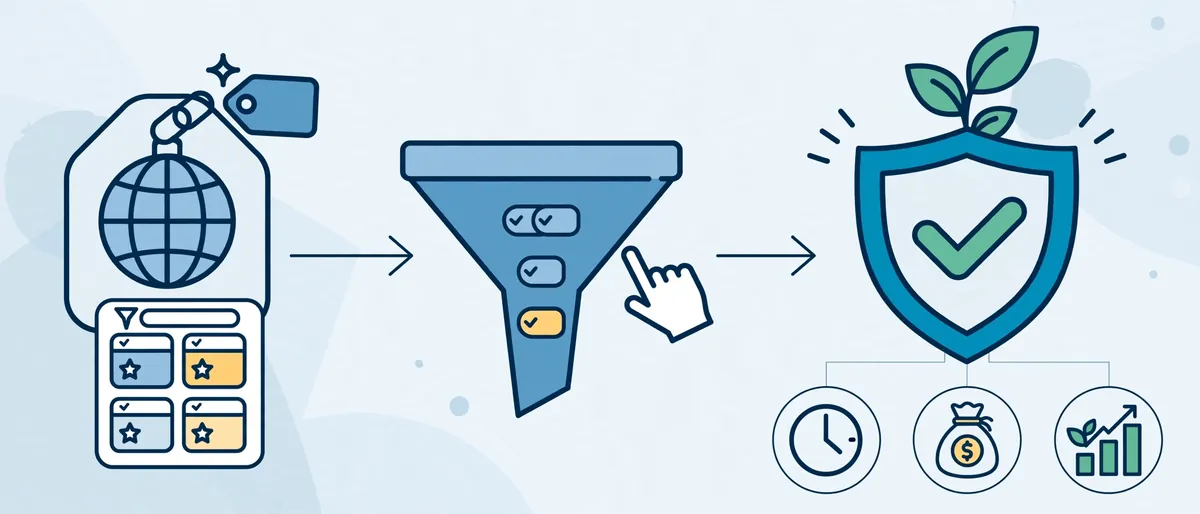
A brandable domain is only as valuable as your ability to use it without interruption. Running a proper domain name trademark check before you buy protects the time, money, and brand equity you’re about to invest in that name. Treat it as a non-negotiable step, not an afterthought, and you’ll buy with the confidence that your new brand can grow without a legal shadow hanging over it.
Ready to find a name that’s built to last? Explore Aotiv’s curated marketplace of brandable domains and start your search with clarity, not guesswork. If you’d like guided help narrowing your shortlist before you commit, connect with the Aotiv team today to get started.